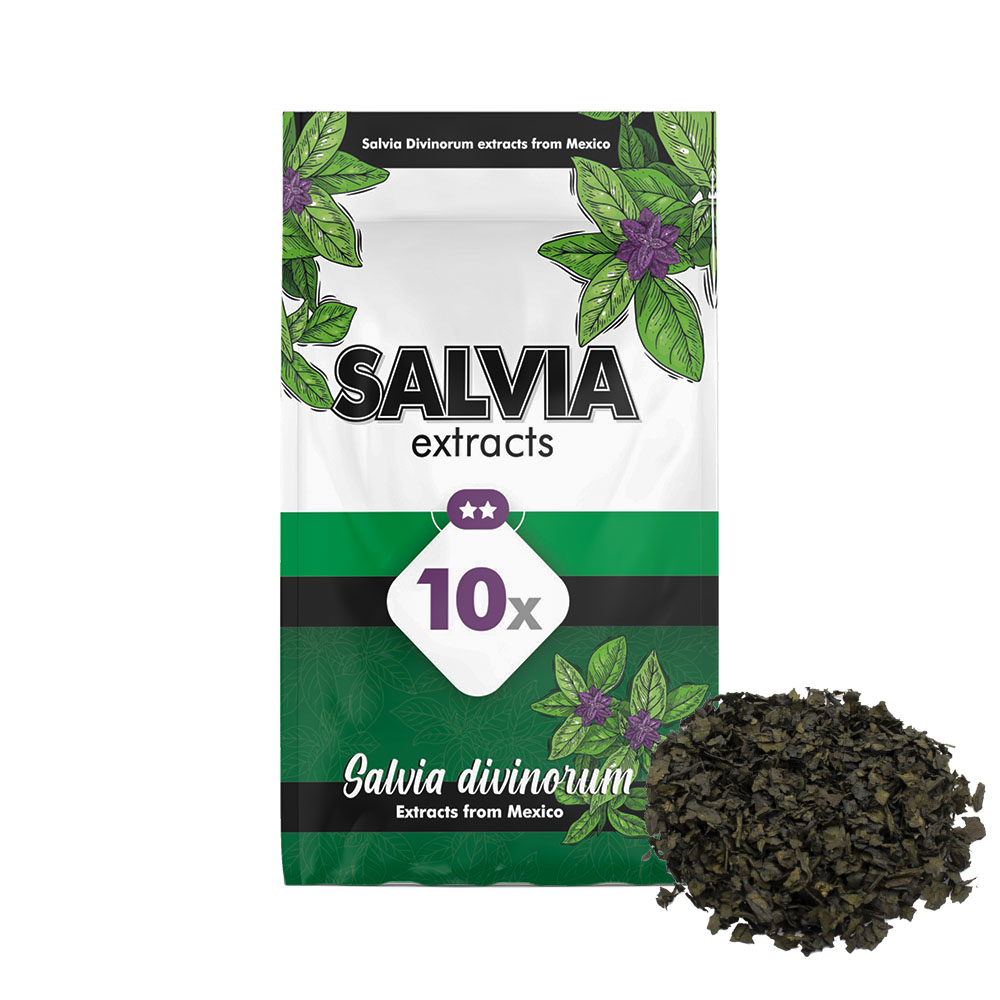
Salvia is restricted in the United Kingdom, not federally controlled in the United States but banned or restricted in several states, and not covered by the Opium Act in the Netherlands. The details below were checked against the legal texts on 13 October 2026. Laws change; check the current text where you are before relying on this page.
| Place | Status | Since | Source |
|---|---|---|---|
| United Kingdom | Supply, production, import and export are offences; possession is not, except in prison | 26 May 2016 | Psychoactive Substances Act 2016 |
| United States (federal) | Not controlled under the Controlled Substances Act | Status as of December 2025 | DEA, 2025 |
| Delaware | Schedule I controlled substance (plant, and later salvinorin A) | 2006 (Brett's Law) | Delaware Code, Title 16, § 4714 |
| Florida | Schedule I controlled substance (plant and salvinorin A) | 2008 | Florida Statutes § 893.03 |
| Louisiana | Producing, distributing or possessing consumable material containing it is a crime | 2005 (Act 159) | Louisiana R.S. 40:989.1 |
| Maine | Transfer to a minor is a civil violation | 2007 | Maine 17 § 2012 |
| Netherlands | Not on the Opium Act lists; sale is legal | Checked against the text in force from 17 September 2026 | Opiumwet |
United Kingdom
Salvia falls under the Psychoactive Substances Act 2016, which came into force on 26 May 2016 (Commencement Regulations, SI 2016/553). The Act does not list substances by name. It covers anything that produces a psychoactive effect and is not exempted, such as alcohol, tobacco, caffeine, medicines and drugs already controlled under the Misuse of Drugs Act.
What that means for salvia, according to the government-funded service FRANK: giving it away or selling it is illegal, there is no penalty for possession unless you are in prison, and supply and production can bring up to 7 years in prison, an unlimited fine or both (FRANK).
Importing is an offence too. Section 8 makes it a crime to import a psychoactive substance intending to consume it for its psychoactive effects (Psychoactive Substances Act 2016, s. 8). Ordering salvia from abroad to a UK address is therefore not legal, and bringing it back from a trip to the Netherlands is not either.
United States
At federal level, salvia divinorum and salvinorin A are not controlled under the Controlled Substances Act. The DEA estimates, from the 2024 National Survey on Drug Use and Health, that about 5.5 million people aged 12 or older have used it at least once (DEA, 2025).
The states go their own way. Four examples, each checked against the current statute:
- Delaware lists Salvia divinorum and salvinorin A in Schedule I, alongside substances such as MDMA (16 Del. C. § 4714). The plant was added by Senate Bill 259, approved on 2 May 2006 and known as Brett's Law (Laws of Delaware, ch. 256); salvinorin A now sits directly below it in the list.
- Florida lists Salvia divinorum and salvinorin A in Schedule I, with an exception for any product approved by the FDA (Fla. Stat. § 893.03). The listing dates from 2008.
- Louisiana names Salvia divinorum among the hallucinogenic plants in R.S. 40:989.1, introduced by Act 159 of 2005. Producing or distributing material for human consumption that contains it carries two to ten years; possessing it, up to five years (La. R.S. 40:989.1).
- Maine does not ban the plant but makes transferring it to a minor a civil violation with a fine of 50 to 1,500 dollars (17 M.R.S. § 2012).
California is another frequent search. Its Penal Code section 379 makes selling or giving salvia or salvinorin A to anyone under 18 a misdemeanour; adults are not covered by that section. Many other states have their own rules, and some local ordinances add more. Check the statute of the state you are in.
The Netherlands
Salvia divinorum and salvinorin A do not appear on lists I or II of the Dutch Opium Act. A full-text search of the version in force from 17 September 2026 found no mention of salvia (Opiumwet). Smartshops sell leaves and extracts openly.
Two government documents frame the current position:
- In 2013 the minister of health answered parliamentary questions and said a ban was not desirable. The answer pointed to limited risks for public health, a very low number of users, and the chance that a ban would move sales to illegal channels (Aanhangsel Handelingen TK 2012-2013, nr. 2718).
- On 7 September 2022 the national institute RIVM published a risk assessment (report 2021-0222). It advised the health ministry to consider restricting or banning the sale of preparations containing Salvia divinorum and advised consumers not to use them (RIVM, 2022).
We found no decision to restrict sale since that advice. Sale and possession are legal on the date checked; driving under the influence of any substance that impairs driving is an offence (Wegenverkeerswet 1994, art. 8).
Visitors to the Netherlands
The products on this site are offered for adults during a stay in the Netherlands, where buying and using salvia is legal. Taking any of it across a border is a separate question governed by the law of the country you enter. For UK residents that answer is clear: section 8 of the Psychoactive Substances Act makes the import an offence. In US states with a ban, bringing it home is possession under state law.
Read on: choosing a salvia extract for a stay in the Netherlands, why the body moves while awareness is elsewhere.