

One receptor, a different drug class
Most hallucinogens people know, such as psilocybin, LSD and mescaline, act mainly on the serotonin 5-HT2A receptor. In 2002 a team screening salvinorin A found that it bound strongly to the kappa-opioid receptor and had no significant activity at 50 other receptors, transporters and ion channels. It had no action at 5-HT2A at all (Roth et al., 2002).
A study in Barcelona tested this in people. Naltrexone, which blocks opioid receptors, stopped the effects of vaporised salvinorin A. Ketanserin, which blocks 5-HT2A, did not (Maqueda et al., 2016). Ketanserin does block psilocybin (Vollenweider et al., 1998). Switch the receptor in the figure to see both routes.
Kappa-opioid receptor, activated
Salvinorin A binds here potently and selectively, and has no significant activity at 50 other receptors, transporters and channels (Roth et al., 2002). The body's own ligands for this receptor are the dynorphins.
In people: loss of contact with the surroundings, body changes, short course of about 20 minutes.
Kappa-opioid receptor, naltrexone first
Naltrexone occupies opioid receptors. Taken before a dose of vaporised salvinorin A, it blocked the subjective effects, the rise in blood pressure and the hormone response (Maqueda et al., 2016).
Result: no salvia effect.
Serotonin 5-HT2A receptor, activated
The main target of the classic psychedelics such as psilocybin (as psilocin), LSD and mescaline. Salvinorin A has no action at this receptor (Roth et al., 2002).
In people: changes in perception and thought over several hours.
Serotonin 5-HT2A receptor, ketanserin first
Ketanserin blocks 5-HT2A. It blocked the effects of psilocybin in a dose-dependent way (Vollenweider et al., 1998) and left the effects of salvinorin A unchanged (Maqueda et al., 2016).
Result: psilocybin blocked, salvia not.
Why researchers call it an atypical dissociative
"Dissociative" describes a loss of connection between perception, body and surroundings. Ketamine and DXM are the textbook examples, and both work on a third target, the NMDA receptor (Krystal et al., 1994; Reissig et al., 2012). Salvinorin A reaches a similar state through the kappa-opioid receptor, which is why a 2020 brain imaging paper called it an "atypical dissociative hallucinogen" (Doss et al., 2020).
At Johns Hopkins, eight volunteers inhaled up to 16 ascending doses. Effects peaked at two minutes, and the higher doses produced dose-related dissociation, memory gaps and, in five of the eight, moments in which they did not respond to the session monitor at all (MacLean et al., 2013). More on the receptor story in why salvia is an atypical dissociative.
How the body drops away
The clearest data on the "out-of-body" part comes from the Barcelona group. Eight volunteers received three doses of vaporised salvinorin A and a placebo. At the two lower doses, bodily sensations increased: warmth, tingling, pressure, being pulled. At the highest dose the curve turned over and volunteers described a near complete loss of contact with the body (Maqueda et al., 2015). The authors call this an inverted U.
Placebo of vaporised salvinorin A
Body and awareness coincide. The room is fully there.
- Body awareness
- baseline
- Contact with surroundings
- baseline
Low dose of vaporised salvinorin A
More bodily sensation: warmth, tingling, vibration. Contact with the room begins to fade.
- Body awareness
- higher
- Contact with surroundings
- lower
Middle dose of vaporised salvinorin A
Pressure, pulling, a body that changes shape. External sight and sound are gated further.
- Body awareness
- highest
- Contact with surroundings
- low
Highest dose of vaporised salvinorin A
Depersonalisation and derealisation rise; near complete loss of contact with the body. Some describe the mind leaving it.
- Body awareness
- lost
- Contact with surroundings
- lost
One volunteer described "the sensation of my mind rising from behind and going to another place, leaving the envelope that was my body". Another wrote: "I have forgotten my body completely" (both in Maqueda et al., 2015). The full set of findings, with a composite account, is on out-of-body experiences on salvia.
Minutes, not hours
The effect is short because salvinorin A reaches the brain fast and leaves fast. In baboons, a radiolabelled dose peaked in the brain within 40 seconds and cleared with a half-life of 8 minutes (Hooker et al., 2008). In people, drug strength ratings peaked at the first measurement, two minutes after inhaling, and definite effects were gone after about 20 minutes (Johnson et al., 2011).
Ketamine, DXM and psilocybin run on much longer clocks. Pick a substance in the chart to compare.
Salvia
Inhaled salvinorin A peaked at the first rating, 2 minutes after inhaling, and definite effects were gone after about 20 minutes (Johnson et al., 2011). Plasma levels peaked at 1 to 2 minutes (Maqueda et al., 2016).
Ketamine
Snorted, ketamine takes about 15 minutes to work and the effects last 30 minutes to an hour (FRANK).
DXM
In a placebo-controlled study, effects of swallowed DXM were followed for 6 hours and had resolved by the end-of-session measures at about 7 hours (Reissig et al., 2012).
Psilocybin
Effects of psilocybin last 3 to 6 hours (Passie et al., 2002); its active form psilocin has a half-life of about 3 hours (Brown et al., 2017).
The table with receptors, time courses and what each substance does to the sense of the body is on salvia compared with ketamine, DXM and psilocybin.
A body left behind still moves
Feeling absent from the body does not switch the body off. In a placebo-controlled study with 30 participants, people on an active dose talked, laughed and moved more than on a low control dose (Addy, 2012). At Johns Hopkins two volunteers made erratic movements at the highest doses, seemed unaware of the room and remembered nothing of it afterwards (MacLean et al., 2013).
The UK drug service FRANK notes that most physical harm linked to salvia comes from people injuring themselves while under its influence (FRANK). That is the reason for a sober sitter, a cleared room and a low place to sit. See why the body moves while awareness is elsewhere.
Where salvia is legal
The law varies a great deal. In the United Kingdom, supplying, producing and importing salvia have been offences under the Psychoactive Substances Act since 26 May 2016. In the United States salvia is not federally controlled, but several states list it. In the Netherlands it is not covered by the Opium Act. Dates and sources per country are on is salvia legal.
For a stay in the Netherlands
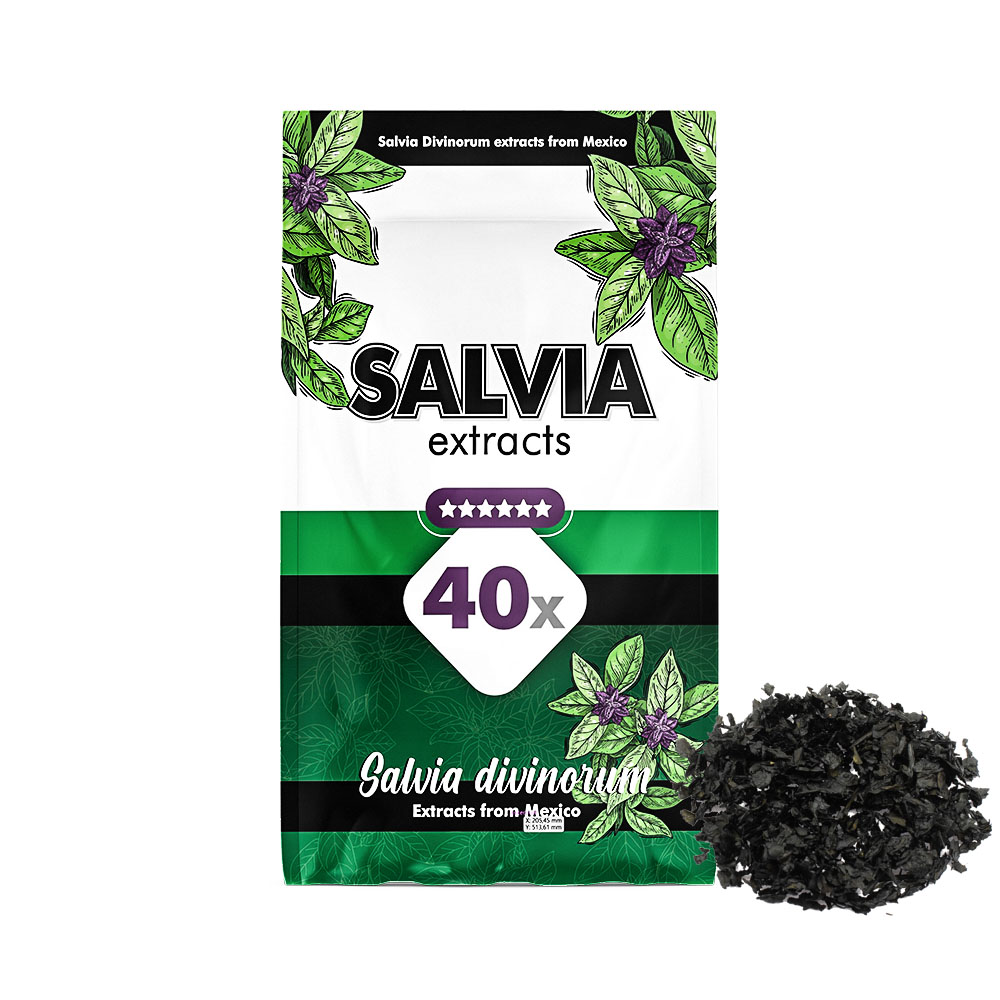
Avalon Magic Plants, the shop behind this site, sells dried leaves and extracts from 10X to 80X. They are offered here only for adults during a stay in the Netherlands, where the sale is legal. The choosing guide sets the strengths side by side.
For a stay in the Netherlands · adults only
Six extract strengths at Avalon Magic Plants, from the 10X starting point to 80X. Pick a step.
10X · Starting point
The extract the shop names as the first step: "Start with the 10X variant."
View 10X at Avalon Magic Plants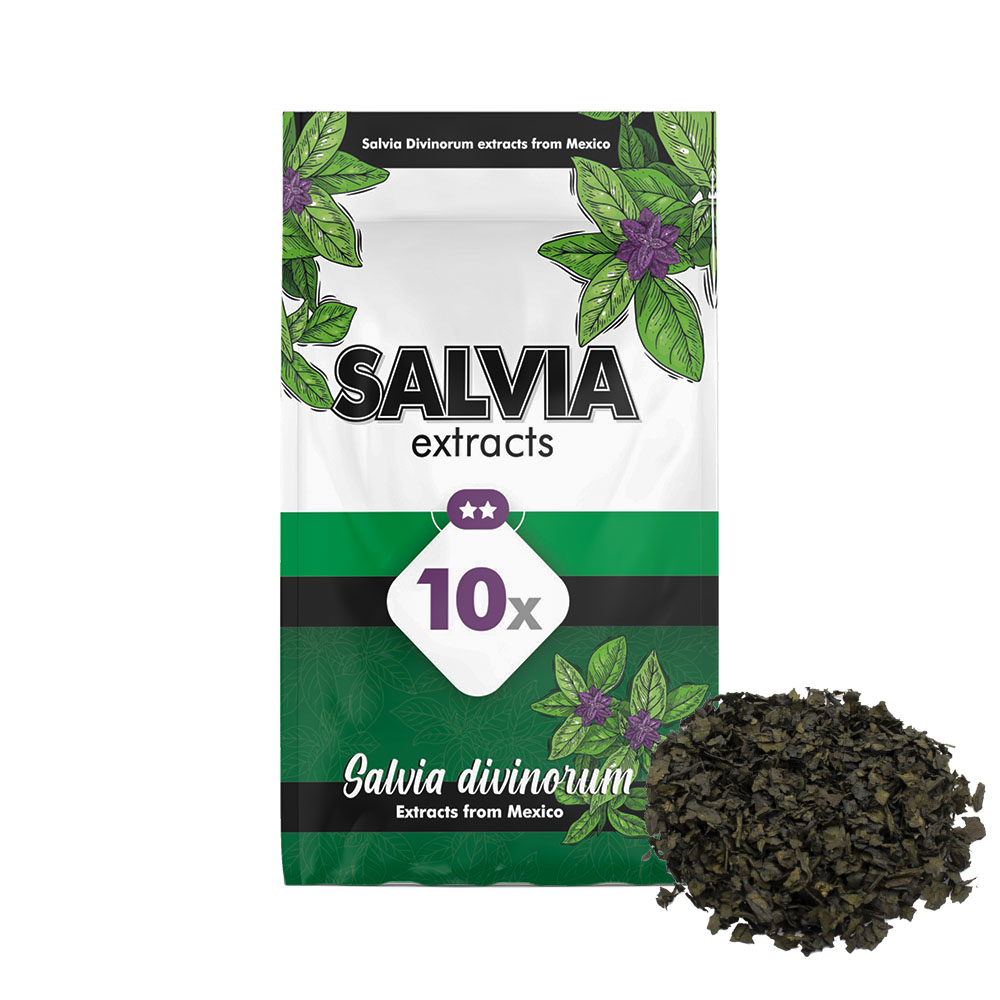 Avalon Magic Plants
Salvia Divinorum 10X extract
€14.50View product
Avalon Magic Plants
Salvia Divinorum 10X extract
€14.50View product
15X · One step up
A step between 10X and 20X for people who know how 10X affects them.
View 15X at Avalon Magic Plants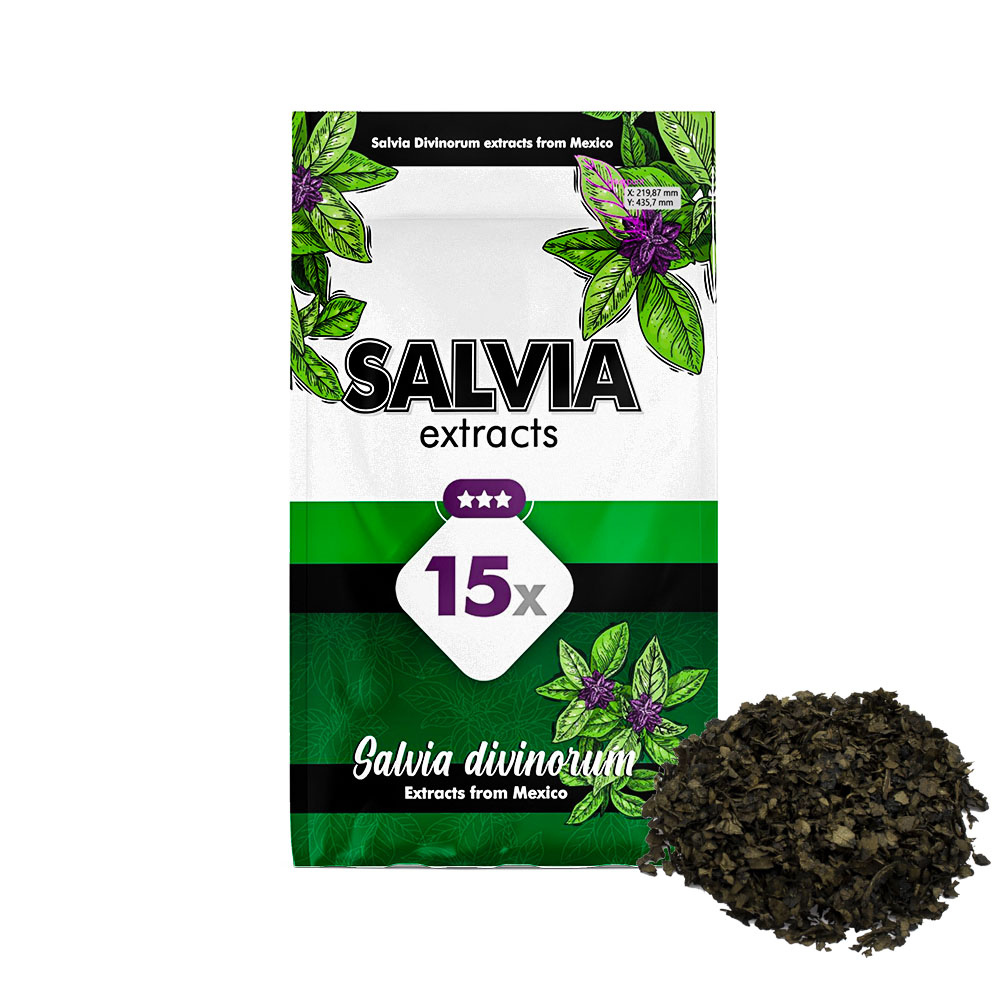 Avalon Magic Plants
Salvia Divinorum 15X extract
€17.50View product
Avalon Magic Plants
Salvia Divinorum 15X extract
€17.50View product
20X · Middle of the range
One step up from 10X. Also the strength in the Enjoy Salvia Pack.
View 20X at Avalon Magic Plants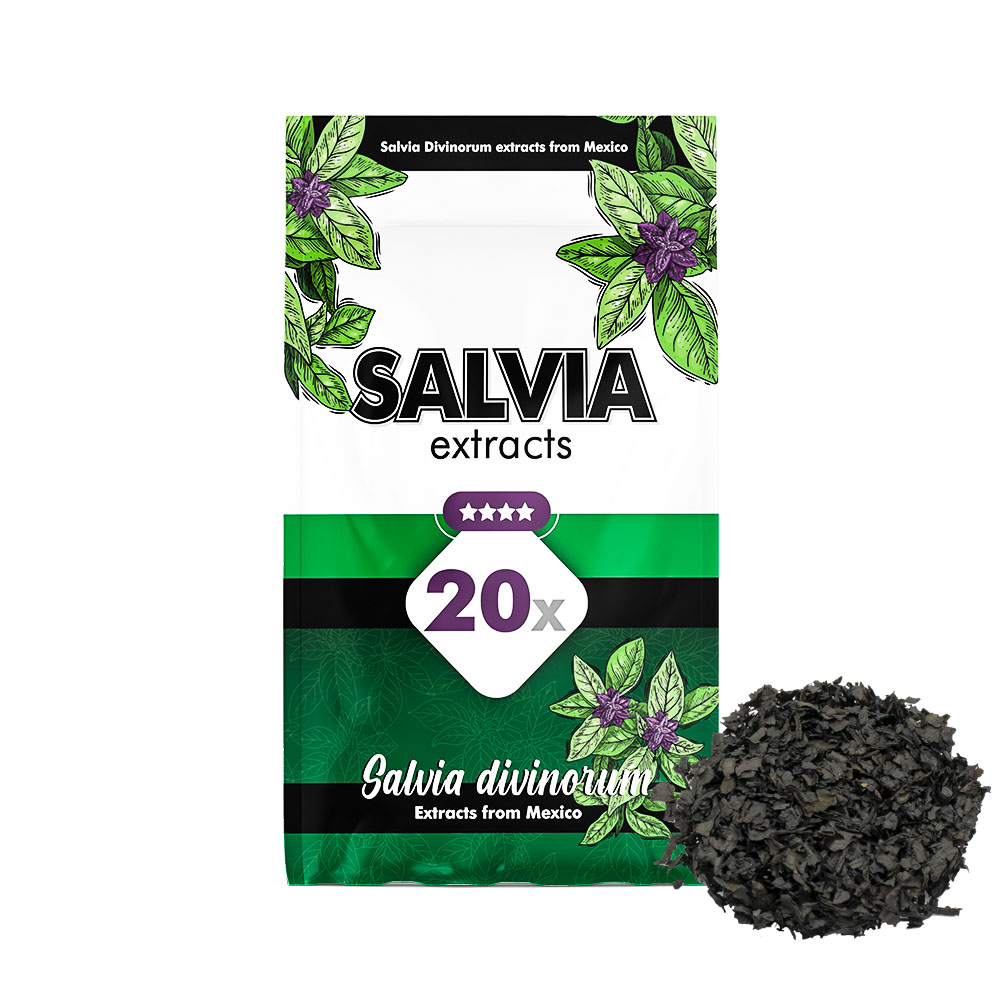 Avalon Magic Plants
Salvia Divinorum 20X extract
€21.50View product
Avalon Magic Plants
Salvia Divinorum 20X extract
€21.50View product
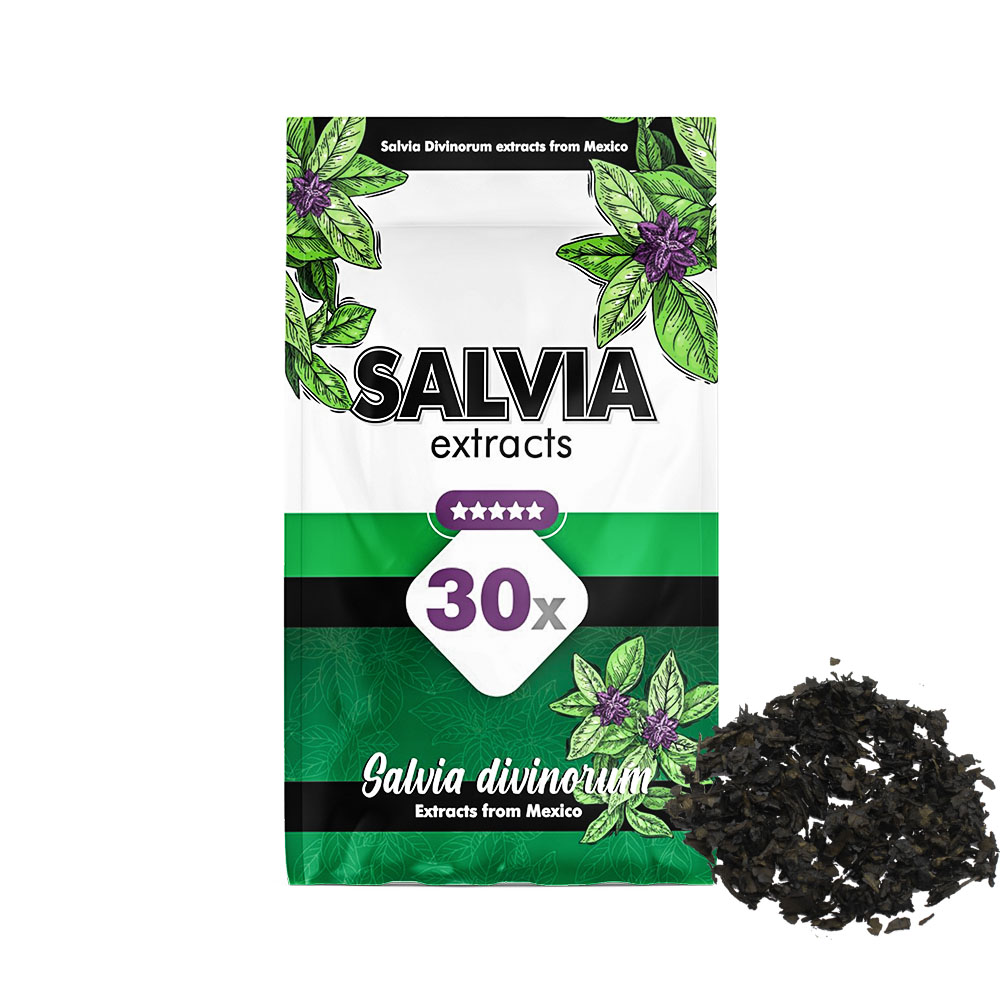
80X · Strongest
The shop: "exclusively suitable for experienced Salvia users".
View 80X at Avalon Magic Plants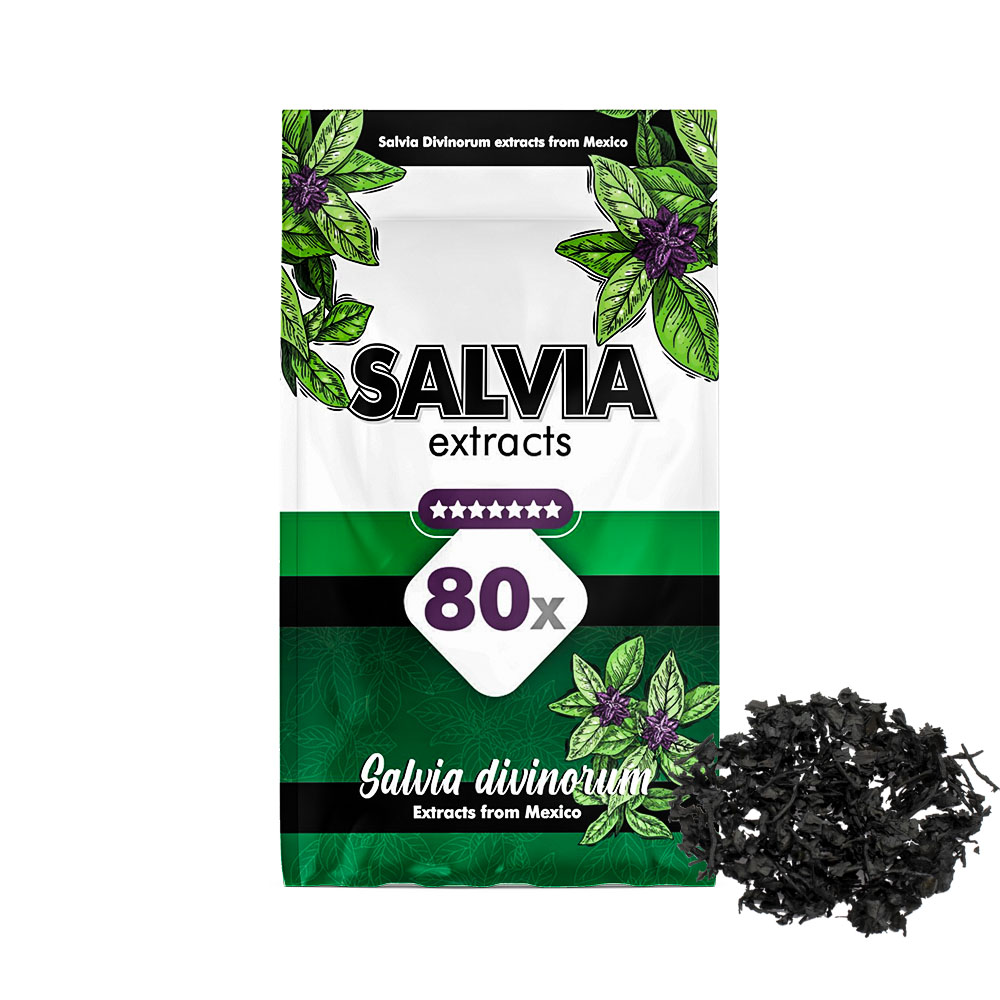 Avalon Magic Plants
Salvia Divinorum 80X Extract
€27.95View product
Avalon Magic Plants
Salvia Divinorum 80X Extract
€27.95View product